
One island, many different seas
Kefalonia is a large island, and its coastline is incredibly varied. Its shores face different directions, some bays are naturally more sheltered than others, and even a few kilometres can make a surprising difference to the sea conditions. During the summer, winds often come from the north, particularly from the north and north-west. When they pick up, the more exposed coastlines can become rough, while parts of the eastern side of the island tend to remain more sheltered. That’s why, on a windy day, beaches such as Antisamos and Skala can often have calmer seas than other parts of the island. Of course, there are no hard-and-fast rules. Wind direction and strength can change, conditions can shift throughout the day, and every bay has its own shape and exposure. But that variety is exactly what works in our favour. When the wind picks up, you don’t necessarily have to give up on a day at the beach. Sometimes, you simply need to head in a different direction.
The sea tells a different story in the morning
There’s another little detail worth knowing: on summer days, the wind can strengthen as the day goes on, particularly during the hottest hours. So when the forecast is calling for wind, setting off a little earlier can make a surprising difference. The sea is often calmer in the morning, the beaches are still quiet, and even the island’s best-known spots can feel completely different. You don’t need to get up at sunrise — leaving an hour or two earlier can be enough to find the conditions you were hoping for. And if the wind starts to pick up in the afternoon, you can always change your plans.
How do you know where to go?
You don’t need to become a meteorologist to learn how to read the wind. A quick look at the forecast can already tell you a lot. Tools such as Windy.com let you see both the direction and strength of the wind, and, more importantly, how they are expected to change throughout the day. The key isn’t simply how many knots are forecast, but where the wind is coming from and which parts of the coast are likely to be most exposed. It’s a small habit we recommend to our guests: before getting in the car, instead of asking yourself which is the most beautiful beach on the island, ask which beach is best for that particular day. The two aren’t always the same.
And what happens when the wind brings the sand with it?
Then there’s the much less scientific, but considerably more practical, issue of sand. When the wind is strong, a sandy beach can quickly become an… unforgettable experience. Sand gets blown everywhere, sticks to your skin, fills your towels and somehow manages to find its way into places where it really shouldn’t. On days like these, a pebble beach can be a much more comfortable choice. We know, it’s not the most romantic advice. But after a few hours spent trying to get sand out of every possible corner, you’ll probably thank us for it.
When the sea speaks, it’s worth listening
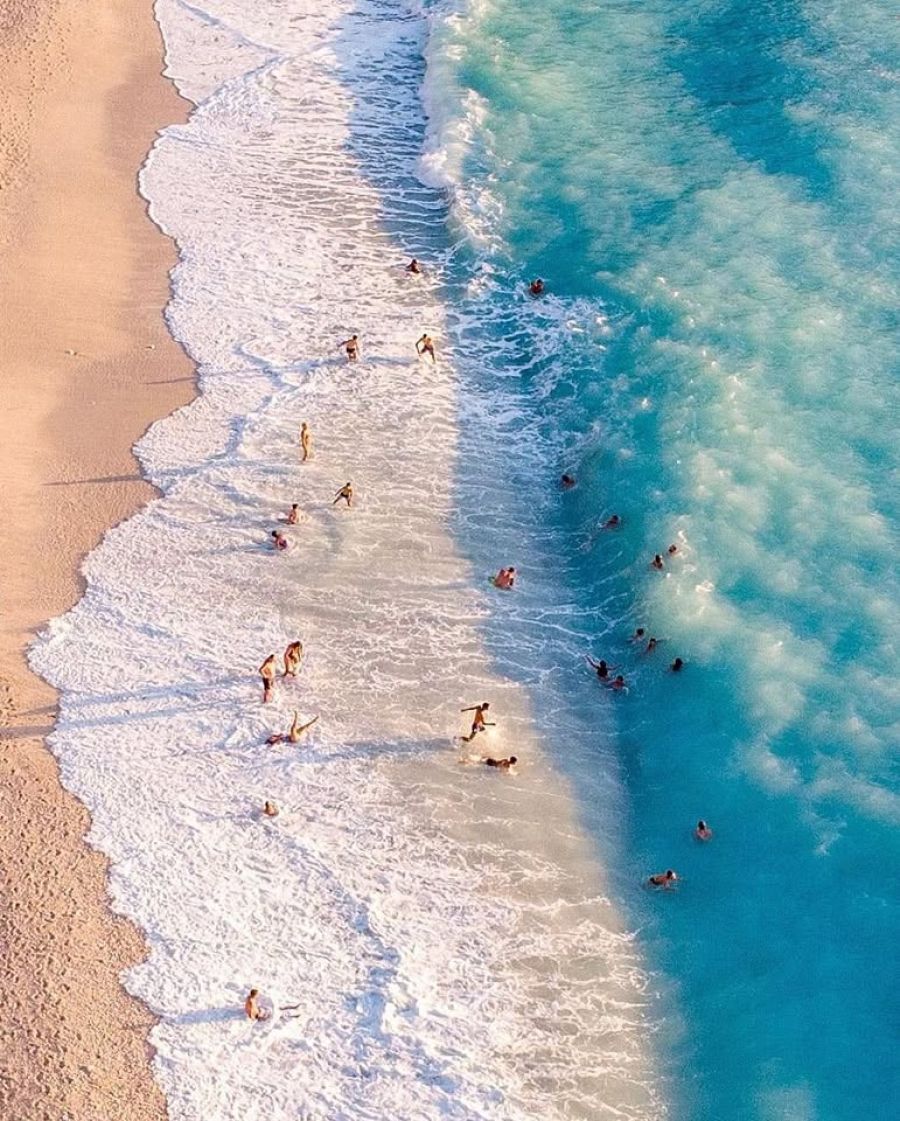
The wind isn’t just a question of comfort on the beach. As it strengthens, the sea changes too, and some stretches of coastline can become unsuitable for swimming. So it’s important not to be guided by the beauty of the landscape alone, but to pay attention to the conditions on the day. Myrtos is a perfect example. On a calm day, its water can look almost unreal. When the wind and waves pick up, however, the same beach reveals the full power of the sea, with waves and currents that require much greater caution. That doesn’t necessarily mean skipping a visit. It simply means looking at the sea differently and respecting what it is telling you. And if the conditions aren’t right for swimming, Myrtos is still one of the most spectacular views on the island — and one that can be enjoyed from above.
And what if you’ve booked a day on the boat?
Even when it comes to a boat trip, the wind shouldn’t become a challenge to overcome. If conditions aren’t safe, our trips are naturally cancelled or rescheduled. But even when the sea is technically safe to navigate, a particularly windy day can make the experience very different from what we had imagined. That’s why we always recommend that our guests get in touch with us the day before their trip. We speak with the operator, check the forecast and sea conditions, and assess the situation together. For us, the priority isn’t sticking to a schedule at all costs. It’s making sure the day is genuinely a great experience. Sometimes that means setting off. Other times, it means waiting for a better day.
So, is Kefalonia a windy island?
Yes, it can be. But perhaps the more useful question isn’t how much wind there will be, but what you can do when it arrives. The weather has a huge influence on how you experience an island, and learning to read it can completely change a day at the beach. Wind doesn’t necessarily mean a day lost. More often, it simply means changing beaches, changing the time of day, or changing your plans. And once you get used to doing that, the question “Is it windy today?” becomes much less important. The better question is: “Where shall we go today?”